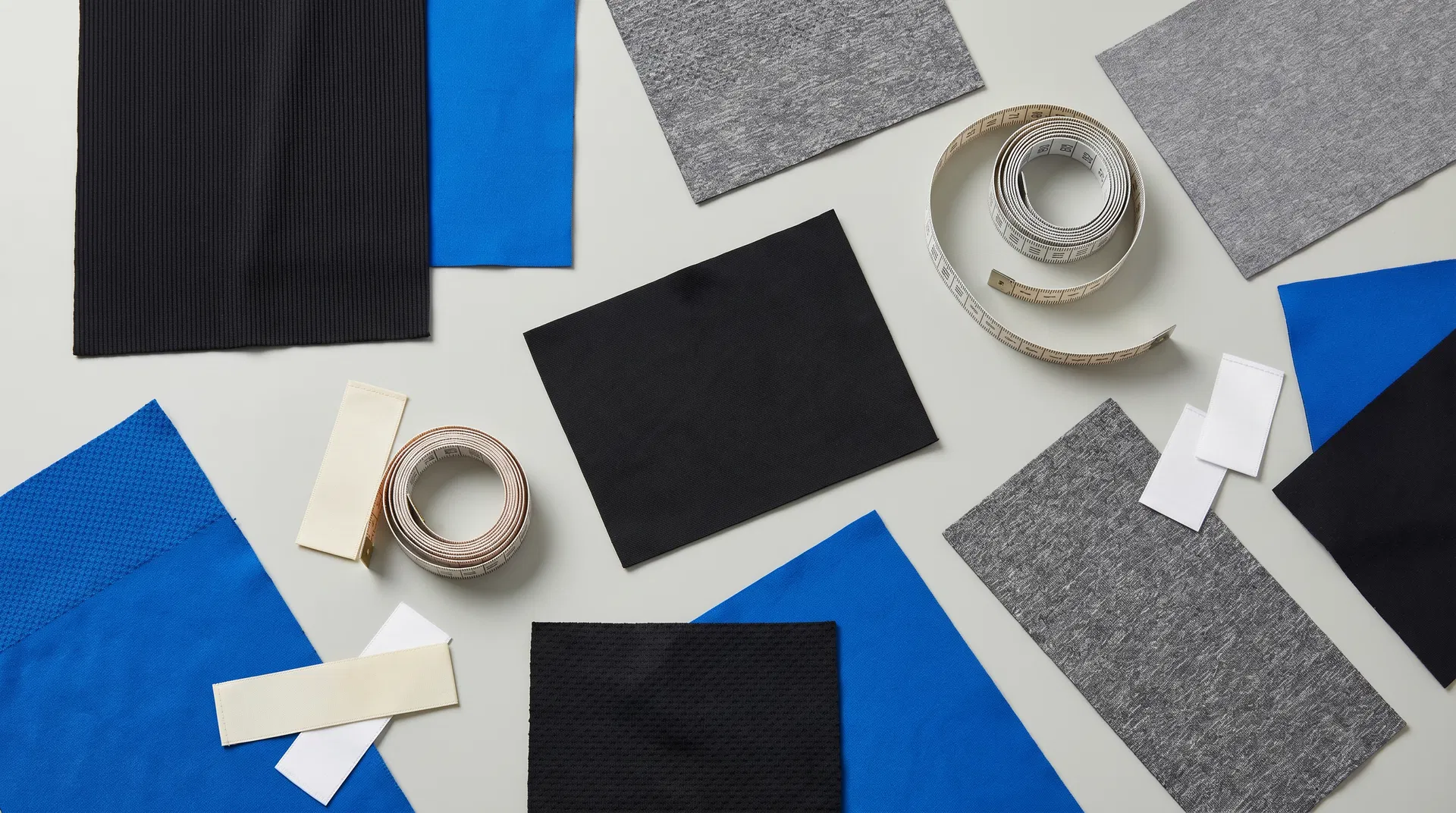
Activewear Fabric Guide: Choosing the Right Technical Fabrics
Selecting the right fabrics is one of the most critical decisions apparel brand founders face when developing activewear lines. The technical properties of your fabrics not only influence garment performance but also affect production costs, sustainability, and ultimately, customer satisfaction. ...
Activewear Fabric Guide: Choosing the Right Technical Fabrics
Selecting the right fabrics is one of the most critical decisions apparel brand founders face when developing activewear lines. The technical properties of your fabrics not only influence garment performance but also affect production costs, sustainability, and ultimately, customer satisfaction. This guide provides a practical, in-depth overview of technical activewear fabrics, helping sourcing decision-makers make informed choices tailored to their brand’s needs.
At loomlink, we work closely with brands to navigate fabric selection, balancing performance requirements, cost, and manufacturing feasibility. This guide is designed to give you actionable insights on the most common technical fabrics used in activewear, their characteristics, and key considerations for sourcing.
Understanding Technical Fabrics in Activewear
Technical fabrics are engineered to enhance the functionality of apparel beyond basic coverage and comfort. In activewear, these fabrics typically offer properties like moisture management, stretch, breathability, and durability to support physical activity.
Key fabric performance categories include:
- Moisture-wicking and quick-drying: Draw sweat away from the skin and dry rapidly to maintain comfort.
- Stretch and recovery: Provide freedom of movement with good elasticity and the ability to return to original shape.
- Breathability: Allow air circulation to regulate body temperature.
- Durability: Resist pilling, abrasion, and deformation over time.
- UV protection: Offer protection from ultraviolet rays during outdoor activities.
- Odor control: Incorporate antimicrobial treatments or natural fiber blends to reduce odor.
Common Technical Fabrics and Their Properties
Below is a table summarizing popular activewear fabrics, their fiber content, and typical performance attributes:
| Fabric Type | Fiber Content | Key Properties | Typical Uses |
|---|---|---|---|
| Polyester Knit | 100% Polyester or Blends | Moisture-wicking, quick-dry, durable, lightweight | T-shirts, leggings, jackets |
| Nylon / Polyamide | 100% Nylon or Blends | High strength, abrasion-resistant, smooth hand | Compression wear, outer layers |
| Spandex / Lycra | Elastane (5-20% in blends) | Excellent stretch and recovery | Leggings, sports bras, tops |
| Merino Wool | 100% Merino Wool or Blends | Natural odor resistance, breathability, thermal regulation | Base layers, socks |
| Bamboo Viscose | Bamboo-derived rayon | Soft, breathable, moisture-wicking, eco-friendly | Yoga wear, casual activewear |
| Blended Knits | Polyester/Nylon/Spandex blends | Combines moisture-wicking with stretch and durability | Versatile activewear |
Detailed Fabric Considerations for Activewear
Polyester
Polyester is the backbone of many activewear collections due to its robust moisture management and durability. It is hydrophobic, meaning it wicks sweat from the skin to the fabric surface where it evaporates quickly. When blended with spandex, polyester knits achieve excellent stretch with shape retention.
Sourcing Tips:
- Look for microfiber polyester yarns (20-30 denier) for softer hand feel.
- Consider recycled polyester to enhance sustainability credentials.
- Confirm colorfastness and pilling resistance with your supplier.
Nylon (Polyamide)
Nylon offers superior strength and abrasion resistance, making it ideal for compression and outer layers exposed to wear. It is also lightweight and smooth, which enhances comfort during high-intensity activities.
Sourcing Tips:
- Nylon tends to hold moisture longer than polyester; ensure fabric construction promotes quick drying.
- Blends with spandex optimize stretch for compression garments.
- Specialty finishes can add water repellency or UV protection.
Spandex (Elastane)
Spandex is almost always blended (typically 5-20%) with other fibers to provide stretch and recovery. Its inclusion is crucial for form-fitting activewear such as leggings and sports bras.
Sourcing Tips:
- Higher percentage spandex increases stretch but may reduce durability.
- Ensure proper fabric weight and knitting technique to avoid bagging or sagging over time.
- Verify that dyeing processes used do not degrade spandex fibers.
Natural Fibers: Merino Wool and Bamboo
Natural fibers are gaining traction for their sustainability and natural odor control. Merino wool excels in thermal regulation and odor resistance, suitable for base layers and cold-weather activewear. Bamboo viscose offers softness and breathability, though it typically requires blending with synthetic fibers for durability.
Sourcing Tips:
- Merino wool garments require specialized knitting and finishing to prevent shrinkage.
- Bamboo viscose is prone to pilling; blending with polyamide or polyester can improve durability.
- Confirm certifications like OEKO-TEX or GOTS to support eco-conscious branding.
Fabric Construction and Knit Types
Fabric performance is influenced not only by fiber content but also by the knit construction. Common knit types in activewear include:
- Single Jersey: Lightweight, breathable, moderate stretch; used in T-shirts and casual activewear.
- Interlock Knit: Double-knit, thicker, more stable; good for leggings and compression apparel.
- Rib Knit: High stretch and recovery; often used for waistbands and cuffs.
- Mesh and Spacer Fabrics: Highly breathable with ventilation zones; used in panels or overlays.
At loomlink, we advise brands to request fabric samples with different knit constructions to test hand feel, stretch, and moisture management before bulk production.
Finishes and Treatments
Technical fabrics often receive additional finishes to enhance performance:
- Anti-microbial treatments: Reduce odor-causing bacteria.
- Water-repellent coatings: Useful for outerwear and running jackets.
- UV protection finishes: Block harmful ultraviolet rays.
- Anti-pilling finishes: Increase fabric lifespan and appearance retention.
When selecting finishes, consider their impact on fabric hand and breathability. Also, confirm that finishes comply with regulations in your target markets.
Key Questions to Ask When Choosing Activewear Fabrics
To streamline your fabric sourcing decisions, keep the following questions in mind:
| Question | Why It Matters |
|---|---|
| What is the primary activity/use case? | Helps determine required performance features (e.g., compression, breathability). |
| What fiber blends yield the best balance of durability and comfort? | Ensures fabric meets wear and feel expectations. |
| Are sustainable or recycled fibers required? | Aligns with brand values and consumer demand. |
| What fabric weight is optimal for the season and garment type? | Affects comfort and garment drape. |
| How does the fabric behave after washing? | Influences garment longevity and customer satisfaction. |
| Are there any certifications needed? | Supports marketing claims and regulatory compliance. |
Working with loomlink for Fabric Sourcing
At loomlink, we specialize in connecting apparel brands with trusted mills that produce high-quality technical fabrics for knitwear and activewear. We assist in evaluating fabric options, managing sampling, and ensuring technical specifications align with your brand vision and price targets.
Our expertise in fabric selection and supplier vetting streamlines your product development process, helping you bring superior activewear products to market efficiently.
Interested in optimizing your activewear fabric sourcing? Book a consultation with loomlink today to explore tailored fabric solutions and expert guidance at loomlink.com/consultation.