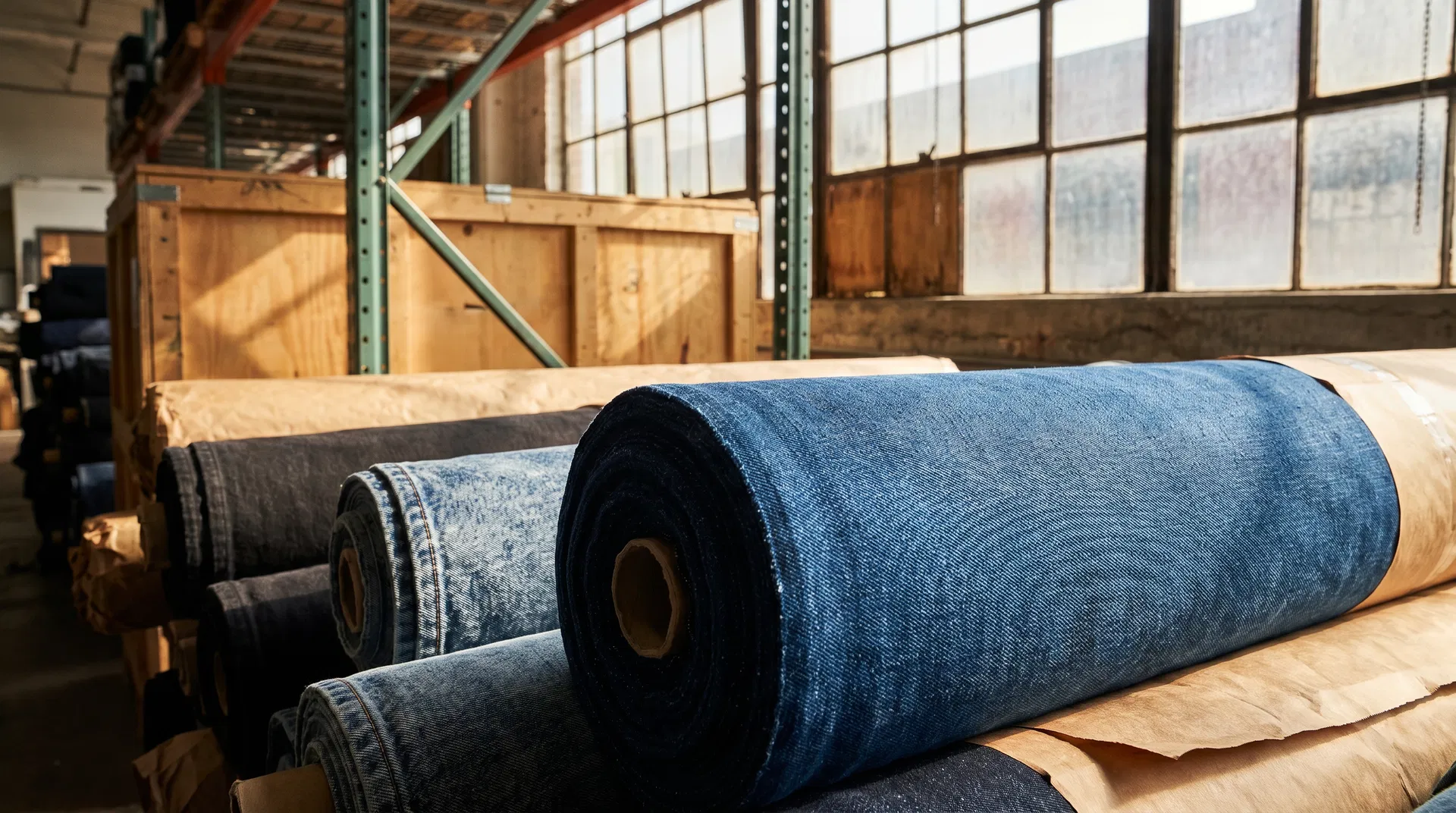
Denim remains one of the most enduring and versatile fabrics in apparel, favored for its durability, comfort, and timeless style. For apparel brand founders, buyers, and product managers, sourcing denim involves more than just selecting a color or a price point. Understanding fabric weights, washes, and the specific factory capabilities required to produce quality denim garments can significantly impact product success and supply chain efficiency.
This guide offers a comprehensive overview of these critical factors in denim sourcing, helping you make informed decisions that align with your brand’s vision and consumer expectations.
Understanding Denim Fabric Weights
Denim fabric weight is typically measured in ounces per square yard (oz/sq yd) or grams per square meter (gsm). This measurement reflects the fabric’s thickness and density, directly influencing the garment’s durability, comfort, and end use.
Common Denim Weights and Their Applications
| Fabric Weight (oz/sq yd) | Approx. GSM | Typical Use Case | Characteristics |
|---|---|---|---|
| 5-8 oz | 170-270 | Lightweight denim shirts, summer jeans | Soft, breathable, less durable, ideal for warm weather |
| 9-12 oz | 300-400 | Standard denim jeans, jackets | Balanced durability and comfort, most common weight |
| 13-16 oz | 440-540 | Heavy-duty workwear, selvedge denim | Stiff, highly durable, breaks in over time |
| 16+ oz | 540+ | Specialty denim, heavyweight jackets | Very stiff, long-lasting, often used in premium products |
Key Considerations When Choosing Fabric Weight
- Target Market & Seasonality: Lightweight denim suits spring/summer collections, while heavier denim is popular in fall/winter.
- Intended Garment Style: A fitted jean may benefit from a lighter, stretch-infused denim, whereas a rugged work pant demands a heavier fabric.
- Comfort vs Durability: Heavier denim increases durability but may compromise initial comfort.
- Production Costs: Heavier denim typically costs more due to material and processing requirements.
At loomlink, we recommend discussing your fabric weight preferences early with manufacturing partners to ensure the mill or factory can source or produce the appropriate denim grade.
Exploring Denim Washes and Their Impact
The "wash" of denim refers to the finishing processes applied to garments after construction, affecting their look, feel, and fit. Washes can transform raw denim into fashion-forward pieces with unique textures and colors.
Common Types of Denim Washes
- Raw Denim: Unwashed, untreated denim with a dark, rigid texture that softens with wear.
- Stone Wash: Washed with pumice stones to create a faded, worn-in look.
- Acid Wash: Uses chemicals and abrasives to produce a marbled, high-contrast appearance.
- Enzyme Wash: Employs cellulase enzymes to soften fabric and reduce pilling without harsh abrasion.
- Sandblasting: Blasts sand to create a distressed, worn look (note: often restricted due to health concerns).
- Bleaching: Lightens denim color for vintage or washed-out effects.
- Overdye: Applies color dyes over washed denim for unique shades.
Factors to Consider When Selecting Washes
- Brand Aesthetic: Each wash communicates a different style, from rugged raw denim to soft vintage fades.
- Environmental Impact: Enzyme washes and ozone treatments offer eco-friendlier alternatives to chemical-heavy processes.
- Garment Durability: Aggressive washes can weaken fabric strength, influencing garment lifespan.
- Cost and Lead Time: Complex washes add cost and production time; align wash complexity with pricing strategy.
- Compliance and Safety: Some factories have restrictions on sandblasting due to worker health risks and regulatory policies.
When working with loomlink, we connect brands to factories with expertise in specific wash techniques, ensuring your denim garments meet both your aesthetic goals and compliance standards.
Factory Requirements for Quality Denim Production
Sourcing denim extends beyond fabric and washes; the factory’s capabilities, certifications, and quality control processes are crucial to delivering consistent, high-quality products.
Essential Factory Capabilities for Denim Production
- Fabric Sourcing and Inspection: Factories should have strong relationships with denim mills and conduct thorough fabric inspections to ensure consistent weight, color, and quality.
- Advanced Sewing Equipment: Denim’s thickness requires heavy-duty sewing machines and skilled operators to handle multiple fabric layers without compromising seam strength.
- Wash and Finish Facilities: Access to in-house or partner wash houses with experience in your desired wash techniques—whether enzyme, stone, or ozone washes—is essential.
- Quality Control Protocols: Rigorous testing for colorfastness, shrinkage, seam strength, and hand feel helps reduce returns and maintain brand reputation.
- Compliance Certifications: Factories should comply with environmental standards (e.g., bluesign, OEKO-TEX), labor laws, and safety protocols, especially for wash houses.
- Sample Development Expertise: Ability to produce accurate prototypes and fit samples is vital to refine garment specifications before bulk production.
Regional Considerations in Factory Selection
Denim production hubs across Bangladesh, Vietnam, China, Cambodia, Pakistan, Indonesia, and Jordan each have unique strengths:
- Bangladesh: Competitive pricing with growing expertise in denim garments; many factories now offer vertical integration including washing.
- Vietnam: Known for quality craftsmanship and advanced finishing capabilities, often preferred for mid- to high-end denim.
- China: Extensive infrastructure and access to diverse denim mills, suitable for complex washes and heavy-weight denim.
- Cambodia and Pakistan: Emerging hubs with cost advantages; growing washing facilities but require careful vetting for compliance.
- Indonesia and Jordan: Smaller scale but specialized factories focusing on sustainable and artisanal denim finishes.
At loomlink, we vet factories rigorously based on these capabilities and regional strengths to align your sourcing needs with the right partners.
Practical Tips for Sourcing Denim Successfully
- Define Clear Fabric Specs: Provide detailed fabric weight, stretch percentage (if any), color, and finishing requirements upfront.
- Request Mill Certifications: Ask for certifications like ISO, OEKO-TEX, or GOTS to ensure fabric safety and sustainability.
- Sample and Fit Testing: Develop multiple wash samples and prototypes to evaluate hand feel, shrinkage, and fit before bulk orders.
- Audit Wash Houses: Verify the washing facility’s environmental compliance and worker safety practices, especially if your wash requires chemical or stone treatments.
- Plan for Lead Times: Denim sourcing and washing can add weeks to production schedules—factor this into your launch timeline.
- Build Long-Term Relationships: Consistency in denim production improves over time as factories understand your brand’s quality and style expectations.
Conclusion
Sourcing denim is a complex process that requires deep knowledge of fabric weights, washes, and factory capabilities. Each decision—from selecting a 12 oz denim for balanced durability to choosing an enzyme wash for softness—impacts the final product’s quality and consumer appeal. Factories with the right equipment, skilled labor, and compliance credentials are essential partners in translating your design vision into wearable reality.
At loomlink, we work with vetted factories across key denim-producing countries, helping brands navigate these complexities with confidence and precision. If you are considering sourcing denim for your next collection, we encourage you to reach out for a free consultation to discuss your specific needs and how best to approach sourcing for optimal results.
Request your free consultation to get started with expert guidance tailored to your denim sourcing goals.